

Thread Milling: The Complete Guide for Precision Engineers
Thread milling cuts a screw thread by interpolating a rotating carbide cutter in a helix, instead of plunging a tap straight down the hole. That one difference is why engineers reach for it: a single thread mill can cut a whole range of diameters at one pitch, run internal or external threads, handle blind holes and hardened material, and if a thread ends up tight it comes back to size with a tool offset rather than a different tool. The trade-off is cycle time. Tapping is quicker on small, high-volume holes in free-cutting material. This guide covers when a thread mill is the right call, the three cutter types, which Carmex tool suits each thread form, and how to program and run one cleanly.
In this guide
- What is thread milling?
- Thread milling vs tapping: when does a thread mill win?
- Full, partial or single profile: which thread mill type?
- Matching the thread mill to the thread form
- How do you program a thread mill?
- Feeds, speeds and a clean finished thread
- FAQ
What is thread milling?
A thread mill is a rotating cutter that machines a thread through helical interpolation. The tool spins on the spindle while the machine drives it in a circular path, advancing one full pitch in Z for every 360 degrees in XY. The thread is built up over one or more orbits rather than formed in a single forced pass.
Because the cutter is always smaller than the hole, chips clear out of the bottom instead of packing into flutes the way they can with a blind-hole tap. You also get full control of the thread's pitch diameter from the control, which is the property that makes thread milling so forgiving on tight-tolerance work.

Thread milling vs tapping: when does a thread mill win?
Tapping is not going away. For an M6 in mild steel run a thousand times a shift, a quality tap is faster and the cost per hole is lower. A thread mill earns its place when one or more of these is true:
- The thread is large. Driving a big tap needs serious torque and a rigid, powerful spindle. A thread mill removes a little material per pass, so a 50mm thread is no harder on the machine than a 12mm one.
- The material is tough or expensive. Titanium, Inconel, hardened steel and stainless all favour milling. There is no tap to snap off and scrap a finished aerospace part.
- Tolerance is tight. When a tapped thread drifts you need a different H-limit tap. With a thread mill you nudge a cutter-comp offset and the next part is in spec.
- The hole is blind with a short run-out. A thread mill can cut close to the bottom and clears chips upward.
- You need both internal and external threads. The same cutter does both, which cuts down on tooling.
Here is the honest comparison.
| Factor | Tapping | Thread milling |
|---|---|---|
| Speed on small, high-volume holes | Faster | Slower |
| Large diameters | Torque-limited | No real limit |
| Tight tolerance control | Change tap H-limit | Adjust offset |
| Tough alloys / hardened steel | Higher breakage risk | Strong fit |
| Risk to a finished part | Broken tap scraps it | Cutter clears, part survives |
| One tool, many sizes | One tap per size | One cutter per pitch |
Full, partial or single profile: which thread mill type?
Carmex solid carbide thread mills come in three working styles, and picking the right one is most of the battle.
Full profile. Multiple teeth carrying the complete thread form, so the thread is finished in a single orbit. Fast and accurate, but a full-profile cutter is tied to one pitch. A 1.0mm-pitch full-profile mill cuts any metric thread at 1.0mm pitch that physically fits the bore, and nothing else. Best choice when you repeat the same pitch a lot.
Partial profile. A 60 degree (or 55 degree) cutter that does not carry the full crest, so one tool covers a range of pitches across that thread angle. Brilliant for low to mid volume and prototype work where you see many different pitches. You give up a little on form accuracy at coarse pitches, which the control can help with.
Single profile. One cutting tooth that machines the whole form one pass at a time. You program the exact pitch and diameter, so a single tool can cut almost anything your CAM will generate, including large and unusual threads. Slower, because it takes several passes, but the most flexible cutter in the drawer.

Full, partial and single profile carbide thread mills for every common thread form, in stock and ready to ship.
Matching the thread mill to the thread form
The thread standard on the drawing decides the cutter. Get the angle and form right and the fit follows. This is how the common forms map to the right Carmex tool, and you can browse every form on the thread mills by form page.
| Thread form | Where you see it | Thread mill type |
|---|---|---|
| Metric ISO (60°) | General engineering | Full profile ISO, or partial 60° for mixed pitches |
| UN / UNC / UNF / UNEF | Imperial work, US-spec parts | Full profile UN 60°, or partial 60° |
| BSP (G), 55° | Parallel pipe fittings | G 55° BSP, or partial 55° |
| Whitworth (BSW / BSF), 55° | Legacy and restoration | Partial profile 55° |
| BSPT / NPT / NPTF | Tapered pressure seals | Form-specific tapered thread mill |
| ACME / Trapezoidal | Lead screws, power transmission | ACME or Trapez profile |
| MJ / UNJ | Aerospace, fatigue-critical parts | MJ or UNJ controlled-root profile |
If you would rather not work it out by hand, the Carmex Tool Wizard takes the thread spec and your control type and returns the tool plus a ready cycle time.
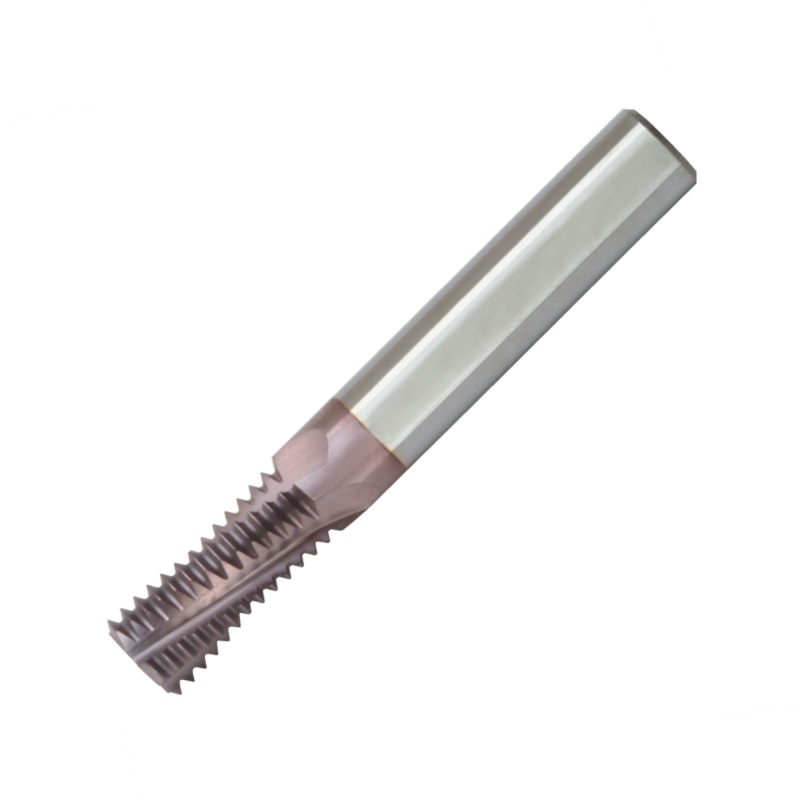
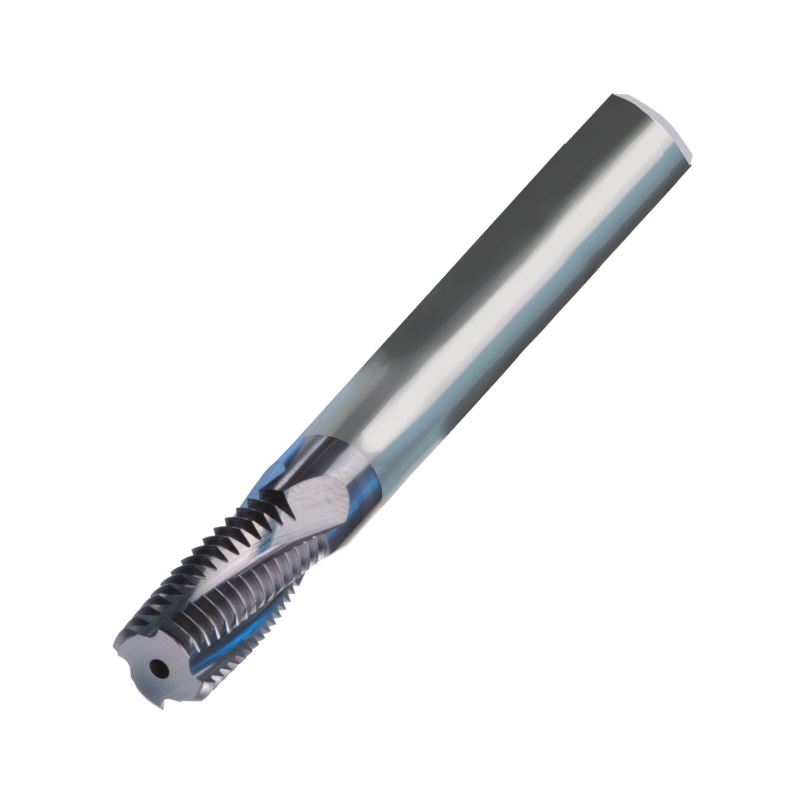
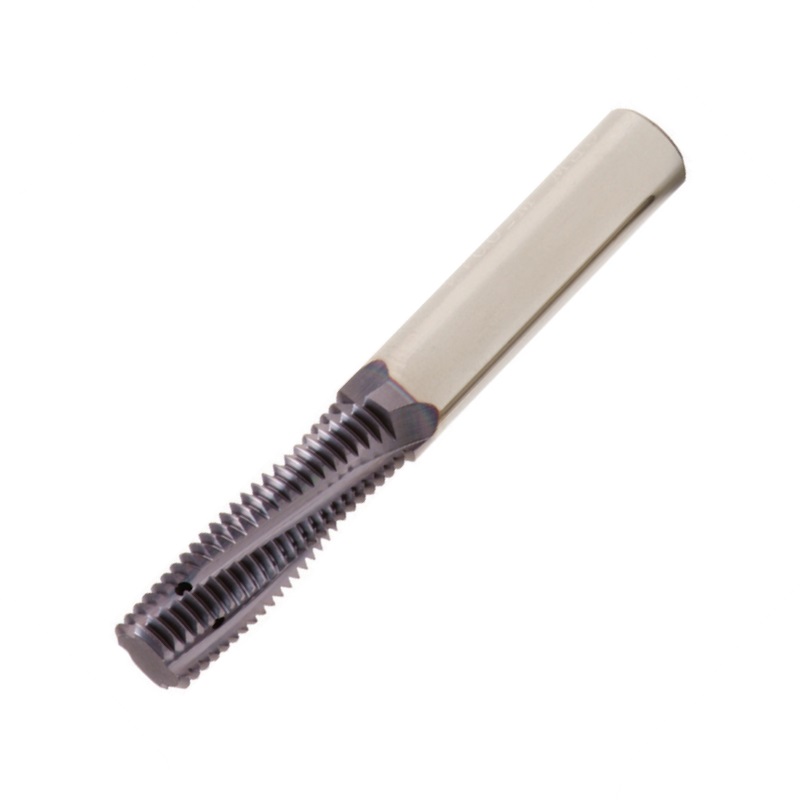
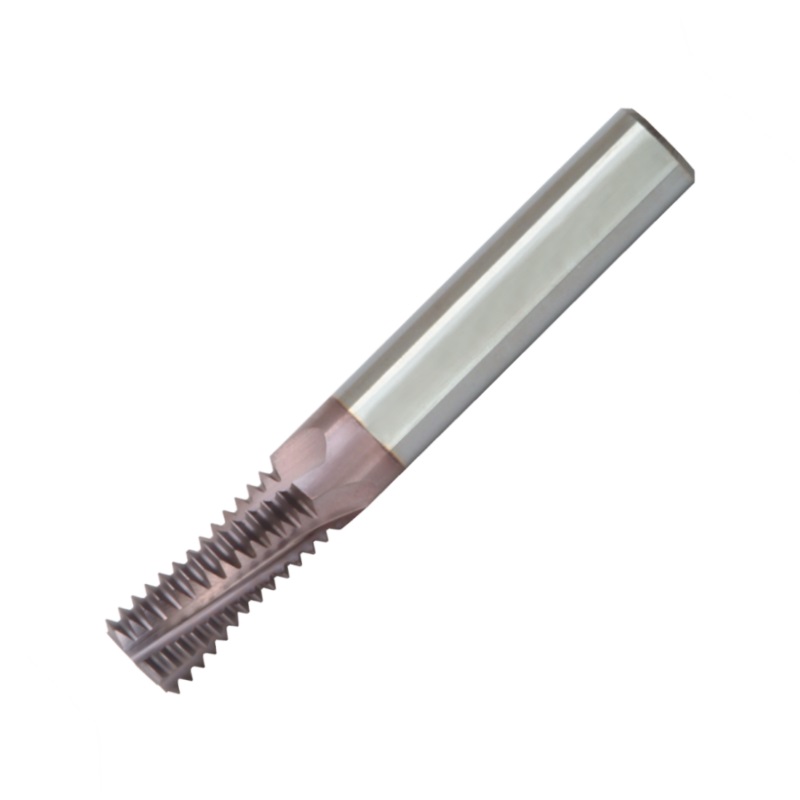
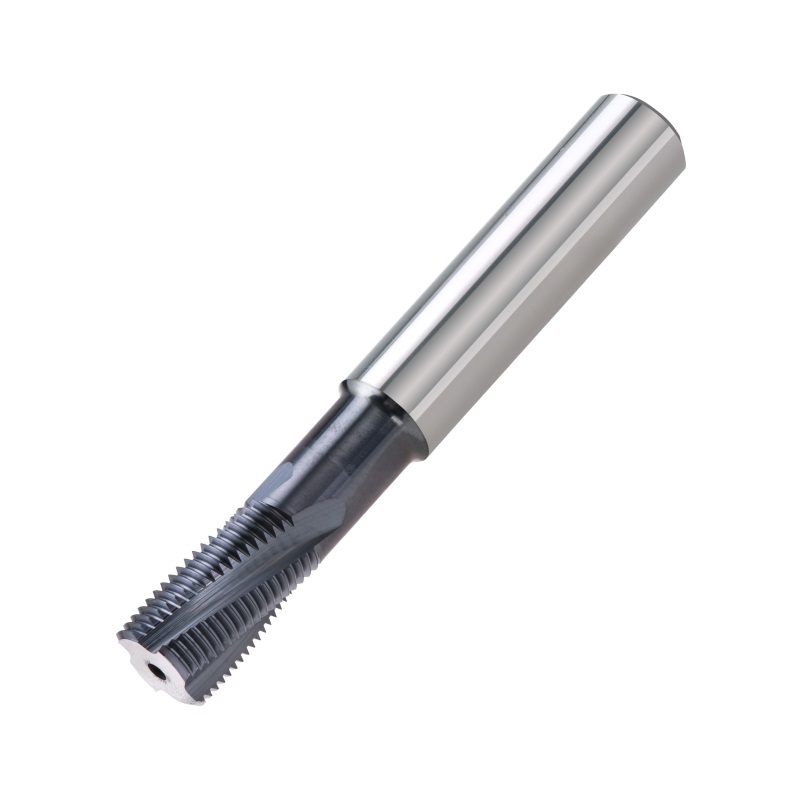
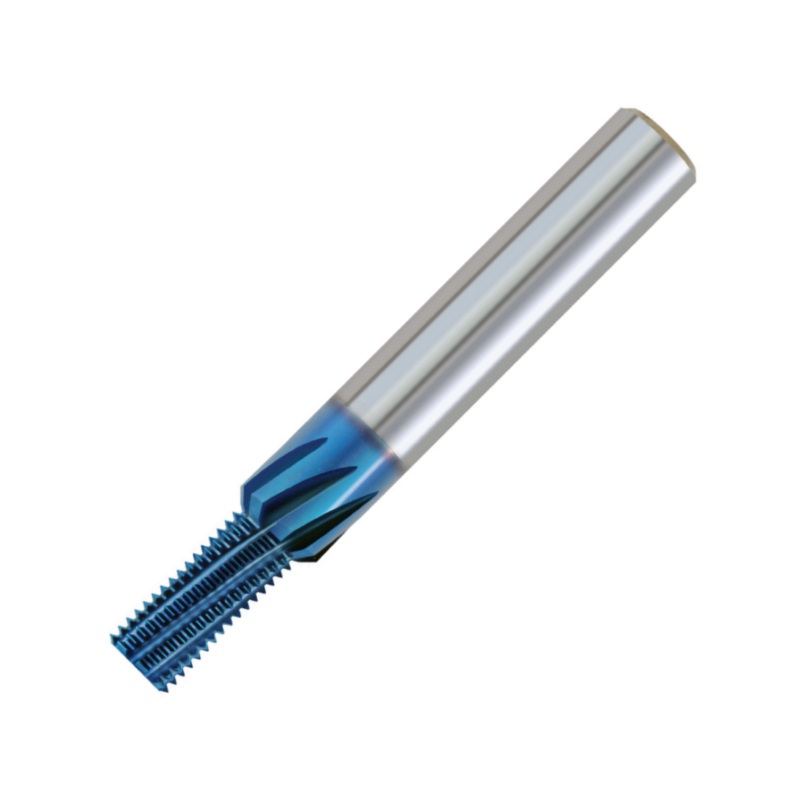
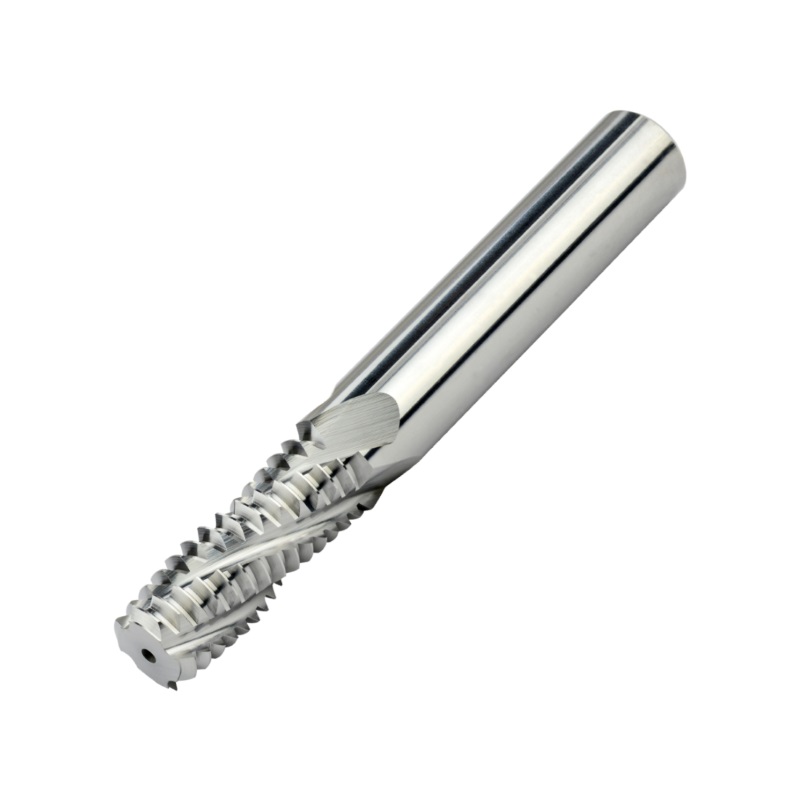
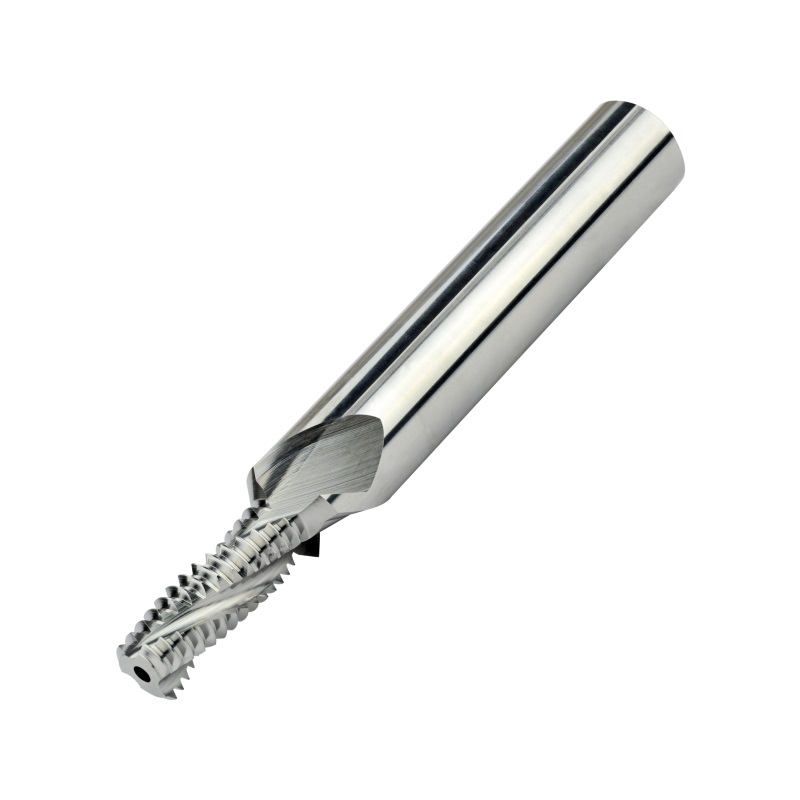
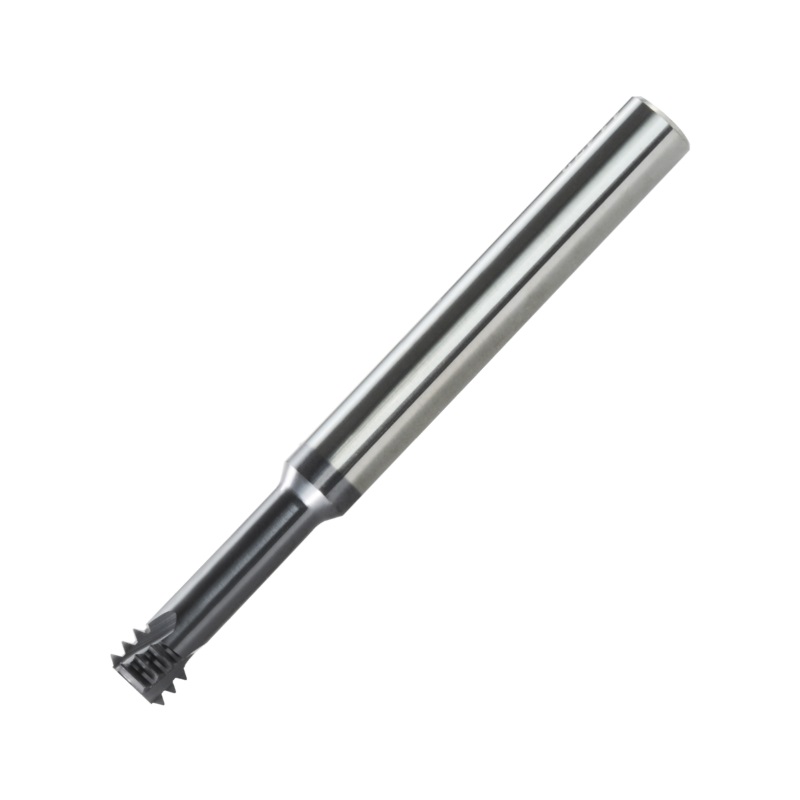
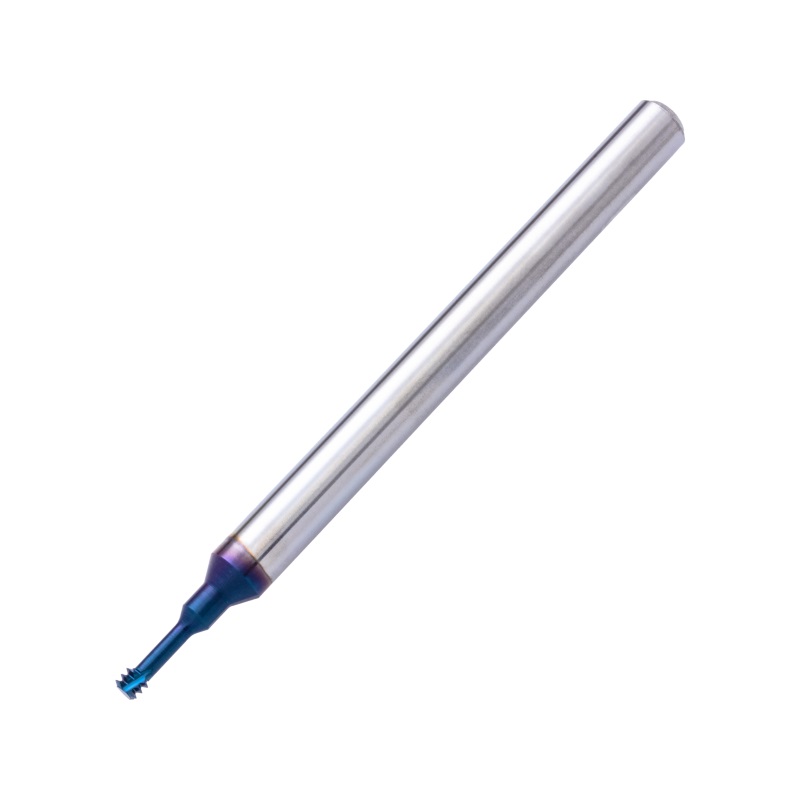
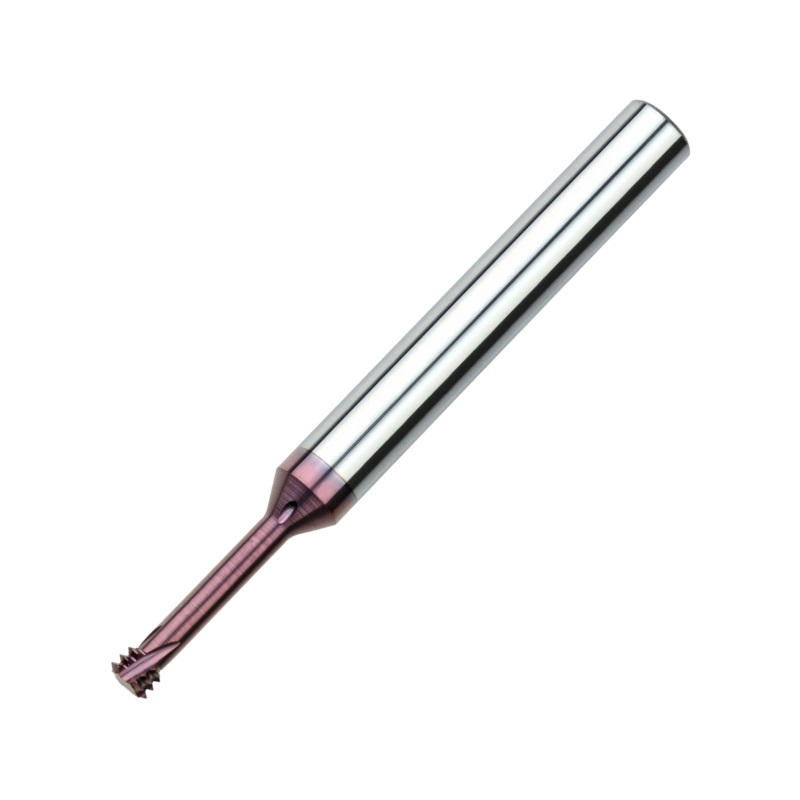
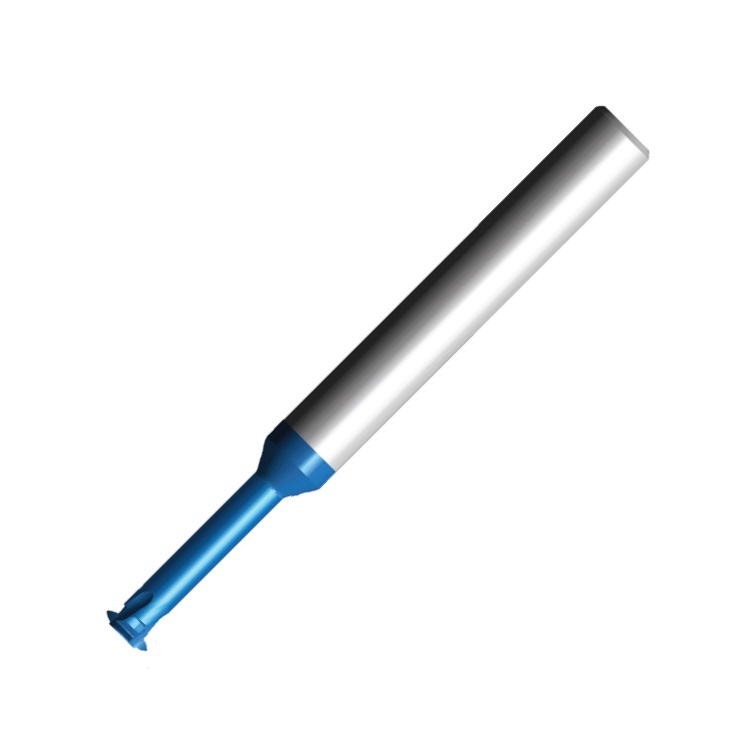
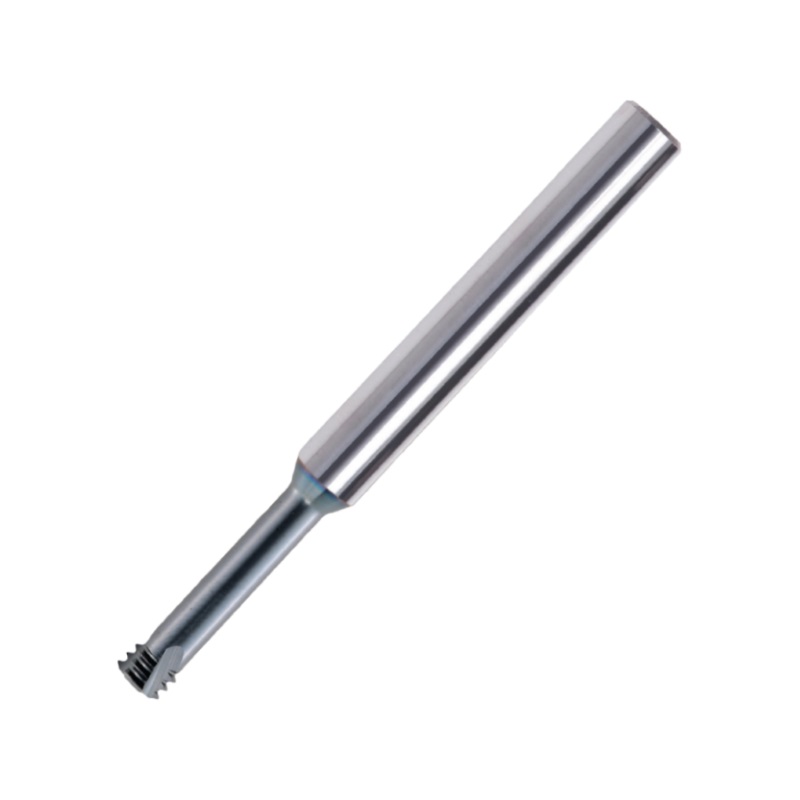
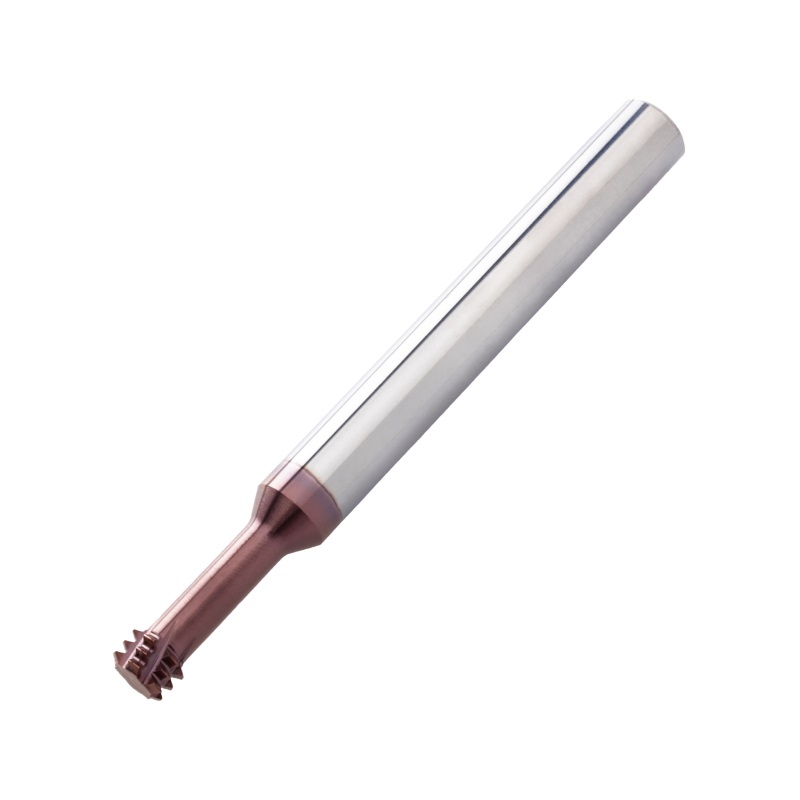
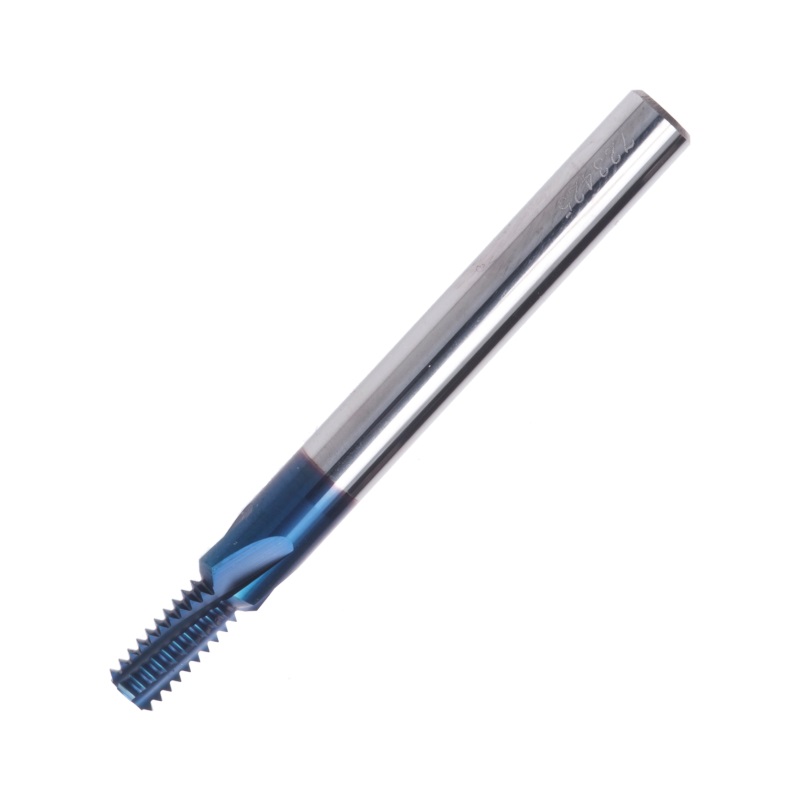
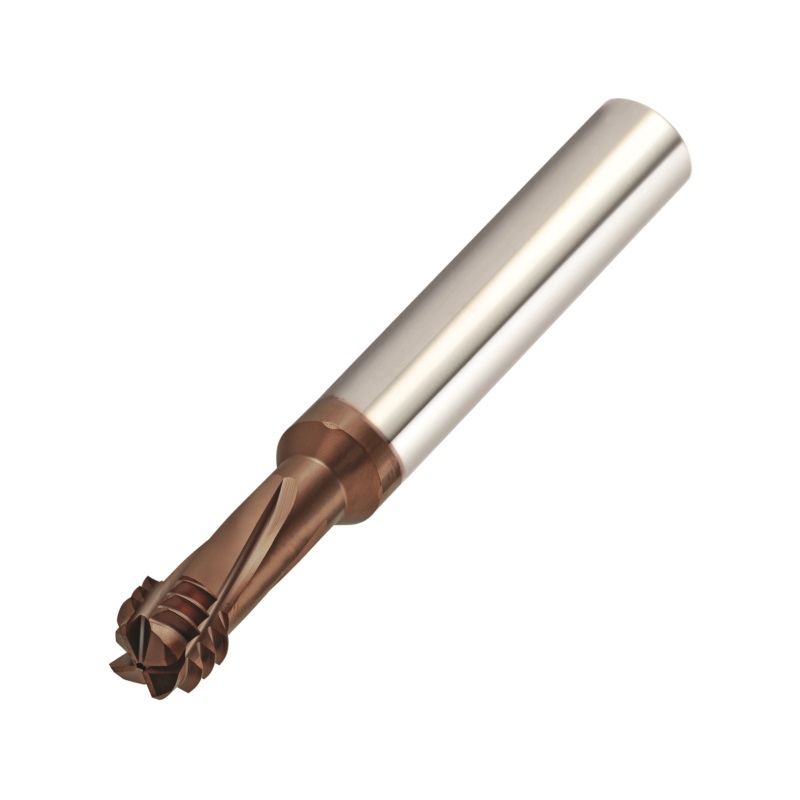
The Carmex thread mill range: every series we stock
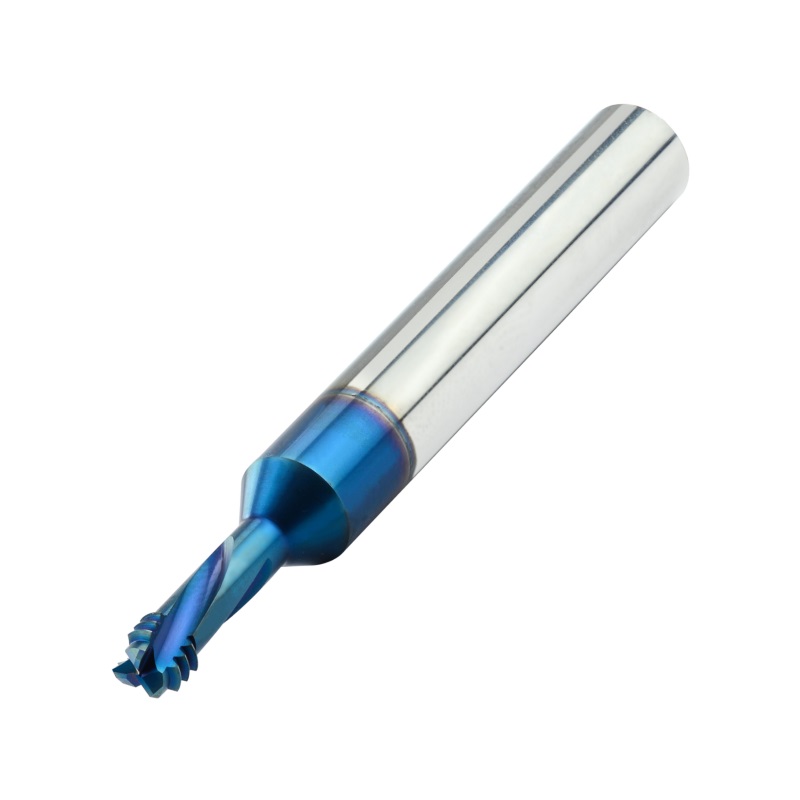
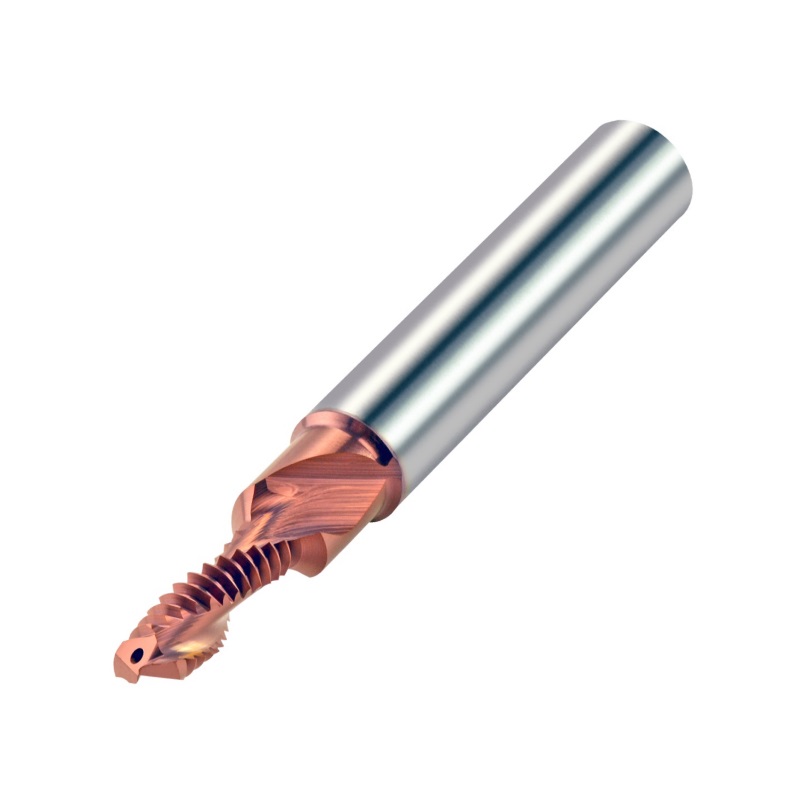
Thread milling is not one tool. Carmex builds a different series for each job, from a basic uncoated cutter to coolant-through-flute, hard-material and drill-and-mill combinations. Here is the full range we stock, and the thread forms each one covers.
How do you program a thread mill?
The motion is a helix: a circular arc in XY with a synchronised Z feed equal to the pitch per revolution. Most modern controls have a canned cycle for it, and any decent CAM package will post the helix for you, but the principles are worth knowing.
- Climb mill it. For internal threads that means running the cutter so it climbs up the wall. It gives a better finish and longer tool life than conventional milling.
- Lead in and out on an arc. Ramp onto the thread on a tangential arc rather than diving straight at the wall, so you do not leave a witness mark at the start point.
- Mind the direction. Right-hand thread, left-hand thread, internal or external all change the orbit direction and whether you climb cutting on the up or down stroke.
- Use multiple radial passes in tough material. Spring passes and stepping out to size over two or three orbits keeps deflection down and holds pitch diameter.
Feeds, speeds and a clean finished thread
Carbide thread mills like surface speed, but remember the feed you set at the tool centre is not what the cutting edge sees. On an internal thread the edge travels faster than the tool axis because of the orbit radius, so program a peripheral (contour) feed rather than centreline feed or you will overload the teeth. CAM handles this, but check it on manual programs.
A few habits that pay off:
- Get coolant to the cut. Flood or through-tool keeps chips out of a deep blind hole and protects the edge in stainless and titanium.
- Keep the tool short. Thread milling deep holes magnifies any deflection, so use the shortest cutter that reaches and a rigid holder.
- Check pitch diameter with a go/no-go gauge on the first part, then trim with the cutter offset. That offset is the whole point of milling, so use it.

Metric, UN, BSP, NPT, ACME, MJ and more. Filter by thread form, diameter and pitch and have it on the machine tomorrow.
Frequently asked questions
Is thread milling better than tapping?
Not always. Tapping is faster and cheaper for small threads in high volume and in free-cutting material. Thread milling wins on large diameters, tough or expensive alloys, tight tolerances, blind holes and any part you cannot afford to scrap to a broken tap. Many shops run both and pick per job.
Can one thread mill cut different thread sizes?
Yes, within limits. A full-profile cutter handles any diameter at its one pitch that fits the bore. A partial-profile cutter covers a range of pitches at one thread angle. A single-profile cutter can cut almost any size and pitch because you program the form, at the cost of extra passes.
Can a thread mill cut both internal and external threads?
It can. The same cutter machines internal and external threads by changing the orbit, which is one of the reasons a thread mill reduces the number of tools you need to stock.
What materials suit thread milling?
Solid carbide thread mills cut steel, stainless, aluminium, titanium, hardened steel and exotic alloys. The tough and high-value materials are exactly where milling pulls ahead of tapping, because there is no tap to break inside a finished part.
Why is my thread coming out oversize or undersize?
Usually deflection or the wrong feed reference. Shorten the tool and holder, add a spring pass, make sure you are programming peripheral feed rather than centreline, then bring it to size with the cutter-comp offset and re-check with a gauge.
Get the right thread mill on the machine
Solid carbide Carmex thread mills for every form and pitch, in stock in the UK.
Shop solid carbide thread mills →Free UK delivery on orders over £50.


